


 0
0
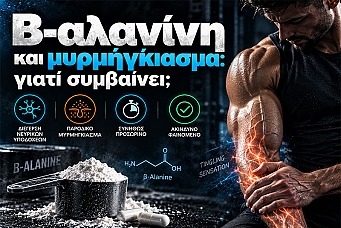
Beta-Alanine Tingling: Why Does It Happen?Why does beta-alanine cause tingling? Learn what this sensation means, whether it reflects effectiveness, and what may help reduce it. ...more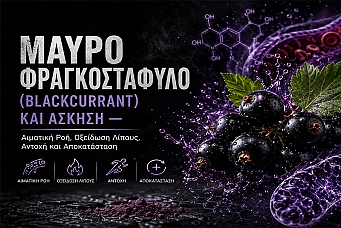
Blackcurrant and Exercise: Fat Oxidation, Endurance and RecoveryCan blackcurrant improve exercise performance? Explore the evidence on anthocyanins, fat oxidation, endurance, strength, muscle damage and exercise recovery. ...more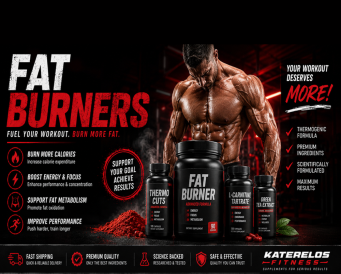
Fat Burners: What They Are, How They Work & The Science Behind Them | KATERELOS FitnessFat Burners: What they are, how they work and what the science says ...more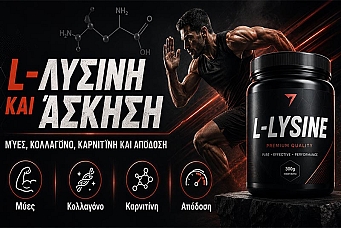
L-Lysine and Exercise: Muscle, Collagen, Carnitine and PerformanceWhat role does L-Lysine play in athletes? Explore its relationship with protein synthesis, collagen, carnitine, strength and exercise-induced growth hormone. ...more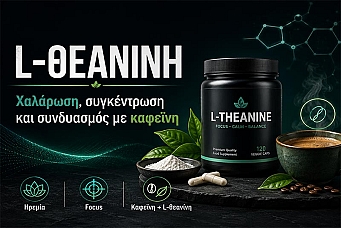
L-Theanine: Relaxation, Focus, Sleep and CaffeineReview the evidence for L-theanine in relaxation, stress, attention and sleep, including caffeine combinations, dosage and safety. ...more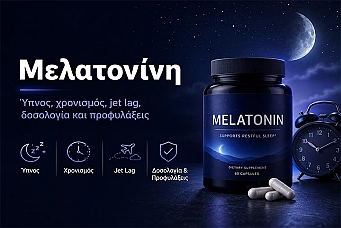
Melatonin for Sleep, Jet Lag, Timing and DosageLearn when melatonin may help sleep and jet lag, including timing, dosage, side effects, interactions and safety. ...more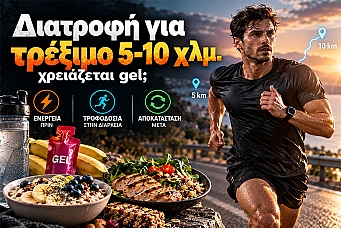
Nutrition for 5K and 10K Running: Do You Need a Gel?What should you eat before a 5K or 10K run? Learn when fuelling may help and why exercise duration matters when planning your nutrition. ...more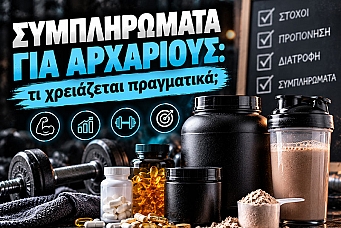
Supplements for Beginners: What Do You Actually Need?Starting the gym? Learn when supplements can be useful and what to assess before choosing protein powder, creatine or a supplement routine. ...more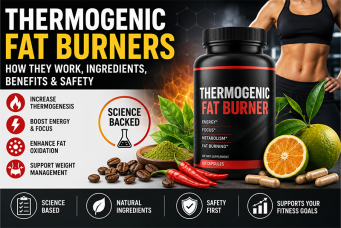
Thermogenic fat burners: How they work, effectiveness, ingredients and safetyThermogenic fat burners are one of the most popular categories of dietary supplements promoted for weight control and body fat reduction. The term “fat burner” is primarily a marketing term and does not imply that a supplement can directly dissolve or remove stored fat. In practice, thermogenic supplements contain ingredients that may temporarily increase energy expenditure, thermogenesis, fatty acid oxidation, or feelings of alertness. Some ingredients may also affect appetite or performance during exercise. However, their overall effect on weight loss is usually small and depends on diet, physical activity, sleep, duration of use, and individual characteristics. Formal reviews of weight loss supplements note that the scientific evidence varies considerably between ingredients. Many studies are small, short-term, or examine combinations of multiple substances, making it difficult to determine the true contribution of each component. ...more
Thermogenic fat burners: How they work, effectiveness, ingredients and safetyThermogenic fat burners are one of the most popular categories of dietary supplements promoted for weight control and body fat reduction. The term “fat burner” is primarily a marketing term and does not imply that a supplement can directly dissolve or remove stored fat. In practice, thermogenic supplements contain ingredients that may temporarily increase energy expenditure, thermogenesis, fatty acid oxidation, or feelings of alertness. Some ingredients may also affect appetite or performance during exercise. However, their overall effect on weight loss is usually small and depends on diet, physical activity, sleep, duration of use, and individual characteristics. Formal reviews of weight loss supplements note that the scientific evidence varies considerably between ingredients. Many studies are small, short-term, or examine combinations of multiple substances, making it difficult to determine the true contribution of each component. ...more
Why Am I Not Gaining Weight Despite Eating More?Is your weight staying the same? Learn how to review food intake, weight measurements and how consistently you follow your eating plan. ...more |

Το Νο1 eshop Κάνναβης




(c) katereloscbd.gr - All rights reserved - By: Hyper Center -