


 0
0
Nutrition for 5K and 10K Running: Do You Need a Gel?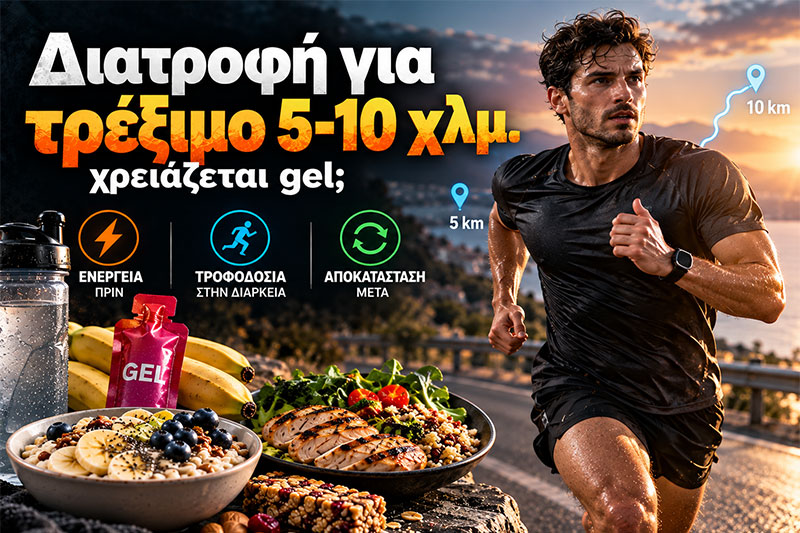 Nutrition for 5K and 10K Running: What Do You Need?Not every 5K or 10K run requires an energy gel. The decision depends on duration, intensity and what you have eaten beforehand. Sports nutrition guidelines connect fuelling with exercise demands, rather than distance alone. Why does time matter?Two runners might complete the same 10K distance in 45 and 80 minutes. These hypothetical examples illustrate why one fuelling plan based on kilometres cannot suit everyone. Large amounts of carbohydrate are unnecessary during short exercise. During intense exercise lasting around an hour, small amounts may benefit performance. This does not make a gel compulsory for every training session. What should you eat beforehand?Choose familiar carbohydrate-containing food, with portions and timing you tolerate well. Large meals containing substantial fat or fibre close to the start may cause digestive discomfort. Examples to try include:
You do not need to eat all these options together. How can you organise a morning race?Build your schedule around the start time:
For example, a 09:00 start with a 07:30 departure requires different planning from a training run beginning outside your front door. What should you eat afterwards?A regular meal containing carbohydrates and protein can support recovery, particularly when another training session follows soon. Frequently asked questionsDo I need a gel for a 5K? Do I always need more food for a 10K? Should I copy an experienced runner’s breakfast? References
|

Το Νο1 eshop Κάνναβης




(c) katereloscbd.gr - All rights reserved - By: Hyper Center -